

10 minute read
In this article:
- When does perimenopause actually start?
- The hormone shift most women don't know about
- What are the early signs of perimenopause?
- What perimenopause does to your gut — and why that matters
- Why do early perimenopause symptoms get missed?
- What can nutritional support do in early perimenopause?
- How to start the conversation with your GP
- A note on timing
Most women assume perimenopause is something that happens in their late 40s or early 50s. They picture hot flushes, perhaps brain fog or difficult periods, followed by a clear transition.
The reality is a more gradual process that is often considerably earlier, and considerably less obvious. And because the early signs of perimenopause overlap almost perfectly with the symptoms of stress, burnout, and poor sleep, they are routinely missed or dismissed for years. Whilst menopause campaigners here in the UK have worked very hard to change the taboo and mis-information surrounding peri-menopause, confusion still exists.
Here is what the evidence tells us about when perimenopause actually begins, what it looks like in the early stages, and why it can be easy to overlook.
When does perimenopause actually start?
The average age of menopause (defined as 12 consecutive months without a period) is 51 in the UK. Perimenopause, the transitional phase preceding it, typically begins 4 to 10 years earlier. That places the onset somewhere between the early and mid-40s for most women, but for a meaningful proportion, hormonal changes begin in the late 30s.
The numbers are more striking than most women realise. A 2025 study of over 4,400 women found that more than half of those aged 30 to 35 were already reporting moderate to severe symptoms on a validated menopause rating scale — rising to 64% in women aged 36 to 40.1 Despite this, many women do not seek support for perimenopause until they are in their later 40s or early 50s. The gap between when symptoms begin and when they are recognised is, for many women, far too long.
The hormone shift most women don't know about
Understanding what is actually happening hormonally in early perimenopause helps to make sense of why the symptoms look the way they do — and why they are so easy to misattribute.
Most people assume that perimenopause is primarily about oestrogen declining. In the early stages, this is not quite accurate. Progesterone is the first hormone to fall, often from the mid to late 30s, as ovulation becomes less regular and the corpus luteum (the structure that produces progesterone after ovulation) functions less reliably.
Oestrogen, meanwhile, does not simply decline. It fluctuates — sometimes rising higher than at any previous point in a woman's reproductive life before eventually falling in later perimenopause. This creates a situation where progesterone can be low relative to oestrogen, a state sometimes referred to as oestrogen dominance. It does not mean oestrogen is necessarily too high in absolute terms — it means the ratio between the two hormones has shifted, and oestrogen's effects are less opposed than they should be.
This hormonal imbalance can be responsible for much of what women in early perimenopause experience: heavier or more irregular periods, breast tenderness, sleep disruption, mood changes, and anxiety. These are progesterone-deficient symptoms as much as they are peri-menopausal symptoms, which is why they often appear years before the classic hot flushes associated with later oestrogen decline.
Cortisol adds another layer of complexity here because progesterone is a precursor to cortisol, and when the body is under sustained stress, it prioritises cortisol production at the expense of progesterone — a pathway sometimes called the progesterone steal. For women in their late 30s navigating demanding careers, young children, lack of sleep, perhaps a little more alcohol than they care to admit, plus the invisible load of modern life, can accelerate and worsen the progesterone decline that early perimenopause brings.
What are the early signs of perimenopause?
Every woman is different, but the earlier stages of hormonal change that are often missed include:
Sleep disruption. Not the dramatic wakefulness of later menopause, but a subtle shift in sleep quality. Difficulty falling asleep, lighter sleep, waking earlier than usual. Progesterone has a direct calming effect on the nervous system and as levels decline, sleep quality can change. You can also notice tolerance to alcohol decreasing and leading to poor sleep and early waking.
Anxiety and mood changes. Progesterone has a calming effect via its conversion to allopregnanolone, which acts on calming receptors in the brain. When progesterone declines, this calming effect diminishes. Women who have never previously experienced anxiety sometimes notice its onset in their late 30s or early 40s, often without connecting it to hormonal change. Two large prospective cohort studies found that approximately one third of women will develop their first episode of depression during the menopausal transition — in women with no prior history of the condition.2
Irregular or heavier periods. Changes to cycle length, flow, and predictability are often among the first measurable signs of perimenopausal hormonal fluctuation. Cycles may shorten initially before becoming irregular. Heavier periods in particular are a common feature of the oestrogen dominance pattern described above.
Brain fog and memory changes. Cognitive symptoms including difficulty concentrating, word-finding problems, and memory lapses are common in early perimenopause. Oestrogen plays a role in supporting brain energy and neurotransmitter function. As oestrogen begins to fluctuate, cognitive function can be affected.
Skin and hair changes. Changes in skin texture, oiliness or dryness, and hair-thinning can creep in around early perimenopause. Oestrogen contributes to collagen production and skin regulation, and its decline can affect both.
Joint pain and fatigue. Often among the most surprising early symptoms. Oestrogen has anti-inflammatory effects and its decline can increase systemic inflammation. A longitudinal study of perimenopausal women found that musculoskeletal pain was reported by over 50% of participants and preceded other classic symptoms in a significant proportion.3
What perimenopause does to your gut — and why that matters
One of the less discussed aspects of perimenopause is what the hormonal transition does to the gut — and what the gut does in return.
There is a subset of gut bacteria known as the oestrobolome, which is responsible for metabolising and regulating the reabsorption of oestrogen from the digestive tract. When the oestrobolome is healthy and diverse, it helps the body maintain appropriate circulating oestrogen levels. When it is disrupted (poor diet, medications, stress, alcohol, antibiotic use, or the hormonal changes of perimenopause itself) oestrogen metabolism can become less efficient.4
Research has shown that the gut microbiome changes significantly during the menopausal transition, and that these changes are associated with altered oestrogen metabolism and increased cardiometabolic risk.5 Greater gut microbial diversity meanwhile, has been positively associated with improved oestrogen regulation in women across stages of perimenopause.6
This matters for symptoms in a very practical way. A disrupted oestrobolome may contribute to oestrogen dominance by impairing the clearance of oestrogen through the gut. It also means that bloating, changes in digestion, and shifts in bowel habit that many women notice in their late 30s and 40s may be more connected to their hormonal transition than they realise.
Supporting gut health in perimenopause is therefore not just about digestive comfort. It is part of supporting the hormonal environment itself.
Why do early perimenopause symptoms get missed?
A 38-year-old woman experiencing poor sleep, increased anxiety, occasional brain fog, and low energy is likely to attribute those symptoms to the demands of her life than to consider that her hormonal environment is beginning to shift.
This is compounded by the fact that most of these symptoms are intermittent, variable, and not severe enough to prompt a GP visit in isolation. And when they do prompt a consultation, if perimenopause is mentioned, it isn't always at the point where HRT is recommended — especially as many women are only recommended to take these medications for a maximum of 5 years.
The result is that many women spend years managing symptoms that could be meaningfully supported if they were recognised for what they are.
What can nutritional support do in early perimenopause?
When it comes to nutrition, we must always acknowledge that food lays the foundation. The evidence suggests that what women eat in the years leading up to perimenopause can meaningfully influence how — and when — the transition unfolds.
A large UK cohort study using data from over 35,000 women found that diet was significantly associated with the timing of natural menopause. Each additional daily portion of oily fish was associated with a delay of over 3 years, and each additional portion of fresh legumes — peas, beans, and lentils — was associated with a delay of almost a year.7 Higher intakes of vitamin B6 and zinc were also associated with later menopause. On the other side of the equation, each daily portion of refined carbohydrates — pasta and rice specifically — was associated with menopause arriving 1.5 years earlier. The researchers proposed that the antioxidants in legumes and the omega-3 fatty acids in oily fish may help to preserve ovarian function by reducing the oxidative stress that accelerates follicle loss, whilst refined carbohydrates may hasten the transition by promoting insulin resistance and disrupting hormone production.
This research is observational rather than interventional — it shows association rather than proven cause — but the direction of the evidence is consistent with what we understand about how diet influences hormonal health more broadly. A diet built around oily fish, legumes, vegetables, and whole foods, whilst minimising refined carbohydrates and ultra-processed foods, appears to support not just general health but the hormonal environment specifically.
The practical takeaway is that the years in your late 30s and early 40s are not too early to be thinking about this. Diet, sleep, stress management, and movement all shape the hormonal trajectory going into perimenopause — and targeted nutritional support, where the diet leaves gaps, can help to fill them.
What about supplements?
When symptoms start creeping in — the broken sleep, the anxiety that appears from nowhere, the energy that used to be there — most women do one of two things. They tell themselves it is stress. Or they reach for something off a high street shelf, hoping it might help.
The problem is that the supplement market has not always served women well at this life stage. Menopause has become a marketing category as much as a medical one — and for every product with genuine clinical backing, there are several riding the wave without the science to justify it. Menopause chocolate, anyone? The desperation is real, and the industry knows it.
Alice saw this in her clinic every day. Women who had tried everything, who were exhausted and frustrated, and who deserved better than vague promises on a label. She also knew the research was there — a growing body of evidence on specific ingredients, at specific doses, that could genuinely move the needle on the symptoms her clients were struggling with. Not just for women in the full throes of menopause, but for those who were simply starting to notice the first changes and wanted to get ahead of them.
That is what the Menopause Formula was built to do. The following ingredients each have clinical evidence supporting their use at this life stage — whether you are newly perimenopause-curious or well into the transition.
Magnesium bisglycinate may help support sleep quality and ease the mild anxiety associated with the hormonal changes of early perimenopause. A 2025 randomised double-blind placebo-controlled trial in 155 adults with poor sleep found that magnesium bisglycinate supplementation produced significantly greater reductions in insomnia scores compared to placebo over four weeks.8 Magnesium is also involved in over 300 enzymatic processes including those related to progesterone synthesis and cortisol regulation — making it particularly relevant during a hormonal transition driven by progesterone decline.
B vitamins in their active methylated forms — particularly B6 (as pyridoxal-5-phosphate), B12 (as methylcobalamin), and folate (as 5-methyltetrahydrofolate) — support neurological function, mood regulation, and the methylation processes that underpin hormonal clearance through the liver. B vitamins, particularly B6, have been associated with supporting the hormonal processes involved in progesterone synthesis. These are among the nutrients most commonly depleted in women under sustained stress.
KSM-66 ashwagandha — the specific root extract used in Menopause Formula — has clinical evidence for supporting the body's stress response during hormonal transitions. A randomised double-blind placebo-controlled trial found that ashwagandha supplementation was associated with significantly improved stress scores and reduced cortisol compared to placebo.9 Given the progesterone-cortisol relationship described above, supporting the stress response is directly relevant to hormonal balance in early perimenopause.
Rhodiola rosea is included in the formula as a second adaptogen. Clinical trials have shown promising results for rhodiola in reducing mental fatigue and supporting mood under conditions of stress, though the evidence base is still developing and more rigorous trials are needed.10 Where ashwagandha tends to work on the HPA axis and cortisol directly, rhodiola's primary actions appear to involve supporting dopamine and serotonin pathways — making the two adaptogens complementary rather than duplicative.
Sage leaf extract has a specific and well-documented role in menopausal symptoms, particularly hot flushes and night sweats. A clinical trial in 71 menopausal women found significant reductions in hot flush frequency and severity after 8 weeks of sage supplementation.11 A systematic review and meta-analysis confirmed that sage extract at doses of 100–300mg daily produced significant reductions in hot flush frequency.12 Whilst hot flushes are more characteristic of later perimenopause, sage is included here for women across the full transition.
Probiotics — specifically Bifidobacterium bifidum, Bifidobacterium longum, and Lactobacillus rhamnosus — support the gut microbiome diversity that underpins healthy oestrogen metabolism via the oestrobolome. Supporting the gut at this life stage is, as discussed above, directly relevant to hormonal balance and not just digestive health. The gut microbiome is not the only microbial community that matters for women in perimenopause. As oestrogen declines, the vaginal microbiome also changes — Lactobacillus populations, which maintain the protective acidic environment of the vaginal tract, fall significantly as oestrogen levels drop, increasing susceptibility to vaginal dysbiosis, discomfort, and recurrent urinary tract infections.13 Oral Lactobacillus rhamnosus supplementation has been shown in a randomised double-blind placebo-controlled trial to restore a balanced vaginal microbiota in women with vaginal dysbiosis — demonstrating that what is taken orally can influence the vaginal microbial environment.14
Vitamin D3 — provided as Vitashine, a plant-sourced form of D3 — is critically important at this life stage given its roles in immune function, mood regulation, bone health, and its interactions with sex hormone metabolism. Deficiency is extremely common in UK women, particularly through the winter months.
A note on dryness in early peri-menopause
Dryness is also a common sign — either intimately, or dry eyes. This happens because as oestrogen declines in perimenopause, these tissues become thinner, drier, and more vulnerable. As irritating and uncomfortable as these symptoms can be, the good news is that nutrition can help here too.
Sea buckthorn oil is one of the richest natural sources of omega-7 fatty acids — a group of fats that form a key structural component of the mucous membranes throughout the body, including the vaginal lining and skin. A randomised double-blind placebo-controlled trial in 116 postmenopausal women found that daily oral sea buckthorn oil supplementation significantly improved vaginal epithelial integrity compared to placebo, with the majority of women reporting reductions in dryness, discomfort, and pain.15 A 2024 RCT corroborated these findings across vaginal, skin, and ocular health — reflecting omega-7's systemic role in mucosal support.16 Sea buckthorn oil is the central ingredient in our Menopause Oil Edition, formulated specifically to support the mucosal and skin changes that accompany this transition.
Could it be your thyroid — or both?
Before attributing every symptom to perimenopause, there is one other system that is consistently overlooked in women in this age group: the thyroid.
Thyroid dysfunction — particularly subclinical hypothyroidism — is common in women in their late reproductive years, affecting an estimated 8 to 10% of perimenopausal women.17 The symptom profiles of thyroid dysfunction and early perimenopause overlap almost entirely — fatigue, brain fog, mood disturbance, hair thinning, dry skin, sleep disruption, and menstrual irregularities are common to both. A 2024 position statement from the European Menopause and Andropause Society noted that the differential diagnosis between the two conditions can be genuinely challenging, and called for greater awareness of the need to screen for thyroid disease in perimenopausal women.18 There is also a direct hormonal connection: declining oestrogen affects how much active thyroid hormone is available in the bloodstream, meaning the two systems can interact — and thyroid dysfunction can both mimic and worsen perimenopausal symptoms simultaneously.19
The practical implication is straightforward: if you are experiencing symptoms consistent with early perimenopause, thyroid function should be checked at the same time. It is also worth noting that iodine — found in the Menopause Formula as kelp — is an essential mineral for thyroid hormone production, and deficiency is more common in UK women than many people realise.
How to start the conversation with your GP
If you suspect you may be in early perimenopause, it is worth having a direct conversation with your GP — but it helps to go in knowing what to ask.
Hormone testing in perimenopause is complicated by the fact that oestrogen and FSH levels fluctuate significantly day to day and can appear normal even when symptoms are present. A single normal FSH result does not rule out perimenopause. It is worth asking for a panel including FSH, oestradiol, and progesterone (timed to the right point in your cycle if you are still menstruating), alongside thyroid function and ferritin, which can mimic perimenopause symptoms when low.
Keep a symptom diary for 4 to 6 weeks before your appointment. Note when symptoms occur in relation to your cycle. This information is more diagnostically useful than a single hormone reading and gives your GP a clearer picture of what your hormonal environment is doing over time.
Questions worth asking:
- Could my symptoms be related to early perimenopause?
- Can we test my hormones — FSH, oestradiol, progesterone, thyroid function (ideally TSH, T3, T4) and ferritin?
- What options are available to support me if this is perimenopause?
A note on timing
The evidence for nutritional support in perimenopause is strongest when intervention begins early — before hormonal fluctuations become severe. Women who begin supporting their hormonal health in their late 30s and early 40s are better positioned to navigate the transition than those who begin only when symptoms become undeniable. If you are in your late 30s or early 40s and noticing changes in your sleep, mood, energy, or skin that do not have an obvious explanation, it is worth considering whether your hormonal environment may be beginning to shift.
The transition is not something that happens to you. For women who understand what is driving their symptoms and take steps to address them early, perimenopause can become a period of genuine positive change — a time to build the nutritional foundations that support not just the next few years, but the decades beyond them. The research is there. The tools are there. And the earlier you start, the more you have to gain.
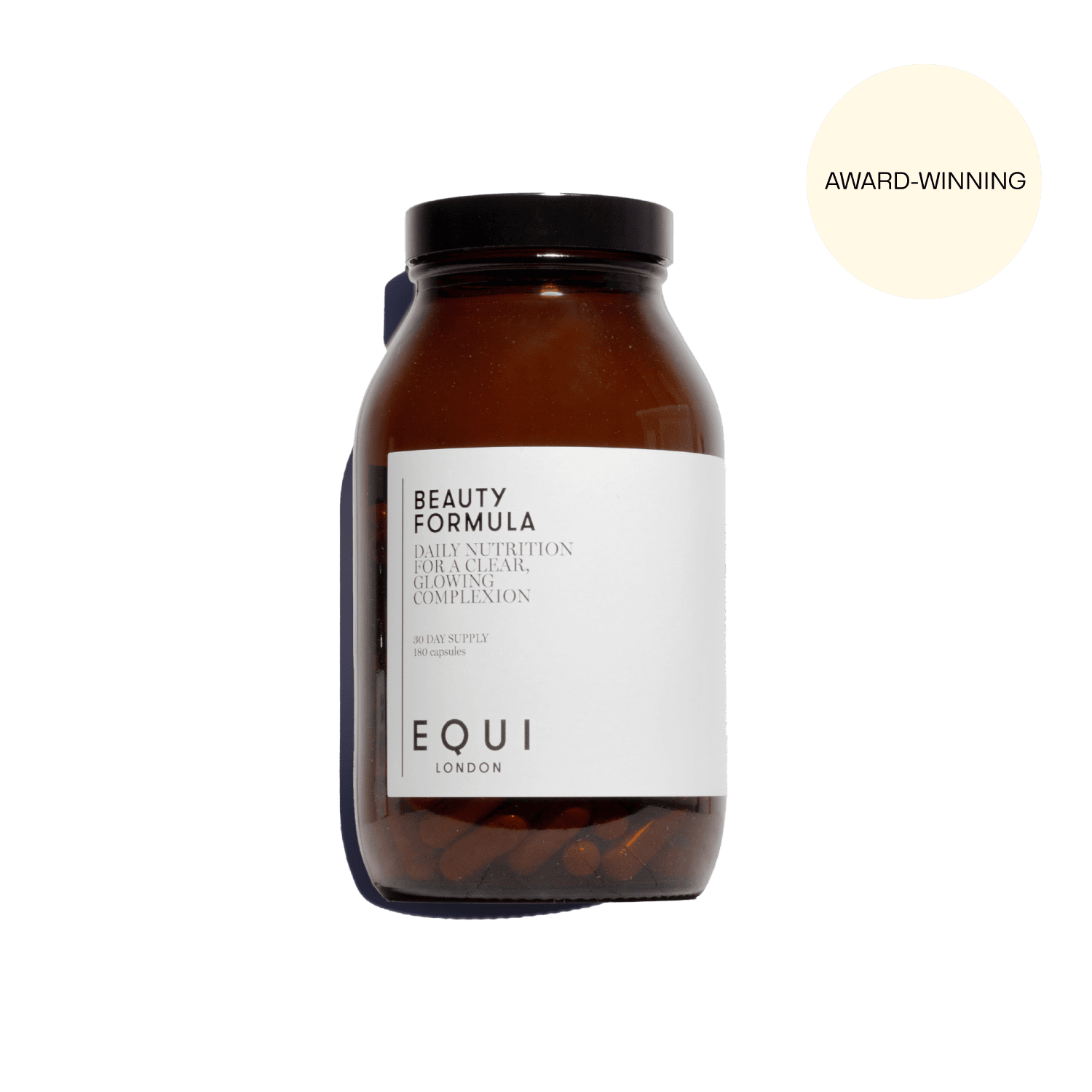
If you think you may be in early perimenopause, our Menopause Formula has been specifically formulated to support women at every stage of this transition. Shop Menopause Formula or take our quiz to find your formula HERE.
References
- Paramsothy P, Lim SS, Harlow SD, et al. Perimenopause symptoms, severity, and healthcare seeking in women in the US. npj Womens Health. 2025;3(1):10.
- Freeman EW, Sammel MD, Lin H, Nelson DB. Associations of hormones and menopausal status with depressed mood in women with no history of depression. Arch Gen Psychiatry. 2006;63(4):375–382.
- Dennerstein L, Lehert P, Guthrie JR, Burger HG. Modeling women's health during the menopausal transition: a longitudinal analysis. Menopause. 2007;14(1):53–62.
- Baker JM, Al-Nakkash L, Herbst-Kralovetz MM. Estrogen-gut microbiome axis: physiological and clinical implications. Maturitas. 2017;103:45–53.
- Peters BA, Lin J, Qi Q, et al. Menopause Is Associated with an Altered Gut Microbiome and Estrobolome, with Implications for Adverse Cardiometabolic Risk in the Hispanic Community Health Study/Study of Latinos. mSystems. 2022;7(3):e0027322.
- Stacy SL, Lane I, Carney P, et al. Diet, the gut microbiome, and estrogen physiology: a review in menopausal health and interventions. Nutrients. 2026;18(7):1052.
- Dunneram Y, Greenwood DC, Burley VJ, Cade JE. Dietary intake and age at natural menopause: results from the UK Women's Cohort Study. J Epidemiol Community Health. 2018;72(8):733–740.
- Schuster J, Cycelskij I, Lopresti A, Hahn A. Magnesium bisglycinate supplementation in healthy adults reporting poor sleep: a randomized, placebo-controlled trial. Nat Sci Sleep. 2025;17:1391–1404.
- Chandrasekhar K, Kapoor J, Anishetty S. A prospective, randomized double-blind, placebo-controlled study of safety and efficacy of a high-concentration full-spectrum extract of ashwagandha root in reducing stress and anxiety in adults. Indian J Psychol Med. 2012;34(3):255–262.
- Ishaque S, Shamseer L, Bukutu C, Vohra S. Rhodiola rosea for physical and mental fatigue: a systematic review. BMC Complement Altern Med. 2012;12:70.
- Bommer S, Klein P, Suter A. First time proof of sage's tolerability and efficacy in menopausal women with hot flushes. Adv Ther. 2011;28(6):490–500.
- Moradi M, Ghavami V, Niazi A, et al. The effect of Salvia officinalis on hot flashes in postmenopausal women: a systematic review and meta-analysis. Int J Community Based Nurs Midwifery. 2023;11(3):169–178.
- Barski D, Finzer P, Golka K, et al. Role of vaginal microbiota and oral Lactobacillus supplementation in recurrent urinary tract infections of menopausal women. Bioengineering. 2025;12(11):1134.
- Rapisarda AMC, Pino A, Grimaldi RL, et al. Lacticaseibacillus rhamnosus CA15 (DSM 33960) strain as a new driver in restoring the normal vaginal microbiota: a randomized, double-blind, placebo-controlled clinical trial. Front Surg. 2023;9:1075612.
- Larmo PS, Yang B, Hyssälä J, Kallio HP, Erkkola R. Effects of sea buckthorn oil intake on vaginal atrophy in postmenopausal women: a randomized, double-blind, placebo-controlled study. Maturitas. 2014;79(3):316–321.
- Chan E, Garzon C, Grice DM, et al. The impact of oral sea-buckthorn oil on skin, blood markers, ocular, and vaginal health: a randomized controlled trial. J Funct Foods. 2024;112:105973.
- Cappola AR, Fried LP, Arnold AM, et al. Thyroid status, cardiovascular risk, and mortality in older adults. JAMA. 2006;295(9):1033–1041.
- Lambrinoudaki I, Armeni E, Goulis DG, et al. Thyroid disease and menopause: EMAS position statement. Maturitas. 2024;183:107933.
- Mintziori G, Goulis DG. Thyroid dysfunction in peri- and postmenopausal women. Dtsch Arztebl Int. 2023;120(24):415–422.
This article is for informational purposes only and does not constitute medical advice. The information provided is not intended to diagnose, treat, cure, or prevent any condition or disease. If you are experiencing symptoms you believe may be related to perimenopause or any other health condition, please consult your GP or a qualified healthcare professional before making changes to your diet, lifestyle, or supplement routine. Food supplements should not be used as a substitute for a varied and balanced diet and a healthy lifestyle.


