

6 minute read
In this article:
- Why does acne happen at all?
- So why is it different in your 30s?
- What happens to skin when you come off the pill?
- How do diet and insulin affect hormonal acne?
- What does stress have to do with it?
- What is the connection between gut health and hormonal acne?
- What about the liver?
- What nutritional support may help?
- When is it worth investigating further?
If you are in your 30s and your skin is breaking out in ways it never did before — or in ways it did as a teenager but never quite stopped — you are not alone, and we know the struggle is real. Adult hormonal acne is increasingly common in women in their late 20s, 30s, and 40s, and it is something we think about a great deal at Equi. In fact, this is exactly what that led our co-founder Rosie Speight to work with clinical nutritionist (and close friend) Alice Mackintosh in the first place — and ultimately is why they set out to create Equi. But why is this issue so common, yet still so poorly understood? Understanding why requires looking at what is driving the hormonal environment that produces it.
Why does acne happen at all?
At its core, acne is often an androgen-driven condition. The sebaceous glands in the skin that produce oil are highly sensitive to androgens — particularly testosterone and its more potent derivative dihydrotestosterone (DHT). When androgen activity increases, the sebaceous glands produce more sebum. Excess sebum blocks pores, and blocked pores provide the environment in which Cutibacterium acnes bacteria proliferate and trigger inflammation. This mechanism is the same at 16 as it is at 35.
What changes is not the pathway but the upstream triggers driving androgen excess. In teenage acne, the driver is the androgen surge of puberty. In adult acne in your 30s, the triggers are typically more varied, more layered, and considerably more difficult to attribute to any single cause.
So why is it different in your 30s?
In your 30s, you are likely navigating a combination of factors that your teenage self was not: chronic stress, disrupted sleep, nutritional depletion from years of demanding life stages, possible alcohol intake, plus shifting hormonal patterns with possible pregnancies or even perimenopause (more common in late 30s and early 40's, but worth mentioning here). We also have to factor in that your digestive health evolves, and the cumulative impact of gut health changes (antibiotics, general anaesthetics etc) can also have an impact on our system over time.
Any one of these factors can disrupt the hormonal environment. Several of them operating together — as they often do in women in their 30s — can create the conditions for persistent skin concerns that in some cases did not exist a decade earlier.
The chin and jaw location that is so characteristic of adult hormonal acne is worth addressing directly. Clinical observation and dermatological research have consistently found that adult acne in women concentrates disproportionately along the lower face — the chin, jaw, and lower cheeks. This is thought to reflect the fact that sebaceous glands in this anatomical zone are more sensitive to androgens than glands elsewhere on the face.1 A 2019 review by the Brazilian Society of Dermatology confirmed this lower face distribution in adult female acne and its association with hormonal fluctuation.2 This is a well-supported clinical association rather than a mechanistically proven finding — but it is clinically meaningful, and it is why lower face breakouts that track with your cycle are worth taking seriously as a hormonal signal.
What happens to skin when you come off the pill?
One of the most common presentations of adult hormonal acne follows coming off the contraceptive pill — and it is something we understand personally at Equi - it is a story we hear from our community constantly, as well as in Alice's clinic.
The pill suppresses ovulation and reduces androgen production. When it is discontinued, the ovaries resume androgenic activity, sometimes at a level higher than before the pill was started as the system recalibrates. This post-pill androgen rebound typically peaks at around 3 to 6 months after discontinuation. Research suggests that approximately 47% of women experience some form of acne during this hormonal transition.3
It is also important to note that the pill depletes several nutrients that are critical for skin health — including zinc, B6, B12, and folate. Women coming off the pill are often starting from a nutritionally depleted baseline at exactly the point when their skin and hormonal system need the most support.
How do diet and insulin affect hormonal acne?
The connection between insulin resistance and acne is well established. Insulin and insulin-like growth factor 1 (IGF-1) can stimulate androgen production in the ovaries and adrenal glands, increase sebum production directly, and promote the proliferation of skin cells that block pores.
A randomised controlled trial comparing a low glycaemic load diet with a standard diet found significant reductions in acne lesion counts, androgen levels, and IGF-1 in the low glycaemic group after 12 weeks.4 Refined carbohydrates, sugar, and high glycaemic foods are not just a dietary concern — they are a hormonal and skin concern.
Ultra-processed foods deserve specific mention here. In the UK, they can account for up to 70% of the average diet — and their impact on metabolic health, insulin sensitivity, and skin goes well beyond their glycaemic effect. A diet dominated by ultra-processed foods also displaces the whole foods, diverse plants, legumes, fibre, and phytonutrients that support gut health, hormone clearance, and systemic inflammation. When these foods form the foundation of daily eating, the body's ability to regulate hormones, maintain gut barrier integrity, and keep inflammation in check is substantially undermined — and the skin will often reflect that.
Dairy is also worth considering. Several observational studies have linked high dairy intake — particularly skimmed milk — with increased acne prevalence, likely through its influence on IGF-1 and naturally occurring hormone content. The evidence is less definitive than for glycaemic load, and it isn't usually a fix-all, but it is a reasonable consideration for women with persistent hormonal breakouts.
What does stress have to do with it?
More than most people realise. When the body is under chronic stress, it activates what is known as the HPA axis — the hypothalamic-pituitary-adrenal axis, a communication system between the brain and the adrenal glands that governs the body's stress response. When the brain perceives stress, it signals the adrenal glands to release cortisol, the body's primary stress hormone. In short bursts, this is entirely normal and useful. The problem arises when stress is sustained — because chronically elevated cortisol has direct and measurable effects on the skin.
Cortisol stimulates sebaceous gland activity, increasing both sebum production and the skin's inflammatory response. At the same time, chronic stress drives adrenal androgen production, adding another androgenic load on top of whatever the ovaries are already producing.5
There is also a direct interaction between cortisol and progesterone. Progesterone is a precursor to cortisol, and when the body prioritises cortisol production under sustained stress, progesterone levels can fall — disrupting the oestrogen-progesterone balance and worsening the hormonal environment. Poor sleep compounds this further, as sleep deprivation elevates cortisol independently of daytime stress. Alcohol, even in modest quantities, disrupts cortisol rhythm, impairs liver detoxification, and worsens gut permeability — all of which can feed back into the skin.
For women in their 30s or early 40s who are navigating demanding careers, young children, insufficient sleep, and everything else that modern life asks of them, the cumulative hormonal impact of chronic stress is often a more significant driver of their skin than they realise — and addressing it requires more than topical treatment.
What is the connection between gut health and hormonal acne?
The gut microbiome plays a specific role in hormonal acne through its influence on oestrogen metabolism. A collection of gut bacteria called the oestrobolome produce an enzyme called beta-glucuronidase, which determines how much oestrogen is reabsorbed into circulation rather than excreted. When this bacterial community is disrupted, oestrogen recirculation can increase, worsening the hormonal imbalance that drives acne.6
Constipation is an important and frequently overlooked part of this picture. When bowel transit is slow, oestrogen that has been packaged for excretion by the liver can be reabsorbed through the gut wall rather than cleared. A well-designed crossover trial in 40 premenopausal women found that speeding up intestinal transit — through fibre supplementation or other means — reduced serum oestrogen concentrations by 10 to 18%, while slowing transit had the opposite effect.7 Regular, healthy bowel movements are therefore directly relevant to hormonal skin health and often overlooked.
Increased gut permeability (aka 'leaky gut') can sometimes add another layer. This used to be considered pseudoscience but is now well established in research, yet it isn't something most GPs will ever discuss with you. When the gut lining is compromised, inflammatory compounds can enter systemic circulation and can drive the low-grade inflammation. A disrupted gut barrier is also associated with increased food intolerances and immune reactivity, as partially digested proteins cross the gut lining. These can, in some people, provoke an immune response that can exacerbate inflammation throughout the body, including the skin. This may not necessarily result in acne, but it is a factor in skin conditions more broadly — and one that can be addressed through ingredients including glutamine, which supports gut barrier integrity, and reishi mushroom extract.
What about the liver?
The liver is responsible for clearing excess hormones — including androgens and oestrogen — through two sequential detoxification phases. Phase 1 breaks hormones down into intermediate compounds. Phase 2 neutralises and packages them for excretion. When either phase is impaired — through nutritional deficiency, elevated toxic load from alcohol or environmental exposure, or slow gut transit — hormones recirculate rather than being cleared, contributing to the androgenic burden that can drive acne.
Supporting liver detoxification is an important and underappreciated part of the hormonal acne picture. The nutrients most relevant here include B vitamins in their active methylated forms — particularly B6, B12, and methylfolate — which drive Phase 2 methylation. Glutathione is the liver's primary antioxidant and detoxification molecule, and its precursors including vitamin C are essential to this process. Alpha-lipoic acid both regenerates glutathione and improves insulin sensitivity — making it directly relevant to both the liver and the insulin-androgen pathway discussed above.
Schisandra chinensis is one of the most well-evidenced botanical ingredients for liver support. Its active lignans activate the Nrf2 pathway, increasing the liver's own production of glutathione and upregulating Phase 2 detoxification enzymes.8 It also acts as an adaptogen, helping to modulate cortisol — making it relevant to both the liver and the cortisol-androgen pathway described above. Much of the evidence for schisandra's liver activity comes from preclinical studies, but the mechanisms are well established and it has a long and well-regarded history of clinical use.
Milk thistle (as 80% silymarin) also has established hepatoprotective evidence and supports liver cell regeneration and detoxification enzyme activity.
What nutritional support may help hormonal acne?
Zinc — A head-to-head trial comparing zinc gluconate at 30mg daily to low-dose antibiotics found comparable reductions in inflammatory lesion counts after 3 months.9 Zinc helps to inhibit 5-alpha reductase — the enzyme that converts testosterone to DHT — and supports sebum regulation and the skin's inflammatory response.
Omega-3 fatty acids — EPA and DHA support the inflammatory response that converts a blocked pore into an inflamed lesion. A randomised trial found significant reductions in inflammatory acne lesions with omega-3 supplementation over 10 weeks.10
Probiotics — An RCT found that supplementation with Lactobacillus acidophilus and Bifidobacterium bifidum for 12 weeks produced significant reductions in acne lesion counts compared to placebo.11 Supporting the gut microbiome is directly relevant to oestrogen metabolism and gut barrier integrity — making probiotics a targeted intervention for hormonal acne rather than a general wellness add-on.
B vitamins in active methylated forms — B6 supports progesterone synthesis and hormone metabolism. B12 and methylfolate drive the methylation pathways that underpin liver detoxification of excess hormones. Folate is particularly worth highlighting for women who have recently come off the pill, as it is one of the nutrients most significantly depleted by oral contraceptive use.
When is it worth investigating further?
If hormonal acne is severe, persistent, or accompanied by other signs of androgen excess — such as irregular periods, excess hair growth, or significant weight changes — it is worth asking your GP about testing. A full hormonal panel including testosterone, DHEA-S, sex hormone binding globulin, fasting insulin, and LH:FSH ratio is worth considering. PCOS (or as it is now called polyendocrine metabolic ovarian syndrome (PMOS)) is a common underlying condition in women with persistent hormonal acne and is frequently underdiagnosed.
Thyroid function, ferritin, and vitamin D are also worth checking — all of which can affect hormonal balance and skin when suboptimal, and all of which are commonly low in women in their 30s under sustained demand.
A final note
Hormonal acne is a complicated and very personal issue. The underlying drivers are not the same for every woman, and they can shift throughout different stages of life — with the pill, off the pill, under significant stress, post-pregnancy, or as the hormonal landscape begins to change in the lead-up to perimenopause.
We also know that eating well consistently is genuinely hard. When you are juggling work, family, sleep deprivation, and the general demands of a full life, the diet often suffers first — and with it, the nutritional foundation that your skin, hormones, and gut depend on.
Supplements that are designed to work to address the root causes of acne should always go alongside meaningful dietary changes and lifestyle interventions rather than being seen as a magic bullet. Even on the days when eating well feels impossible, a practitioner-standard product can help to fill the gaps and ensure your body still has access to the clinically-dosed nutrients it needs to support the underlying systems that drive skin health.
Nutrition can be a starting point, a support, and for many women, the piece that finally makes the difference. But it works best as part of a broader commitment to understanding what is happening beneath the surface.
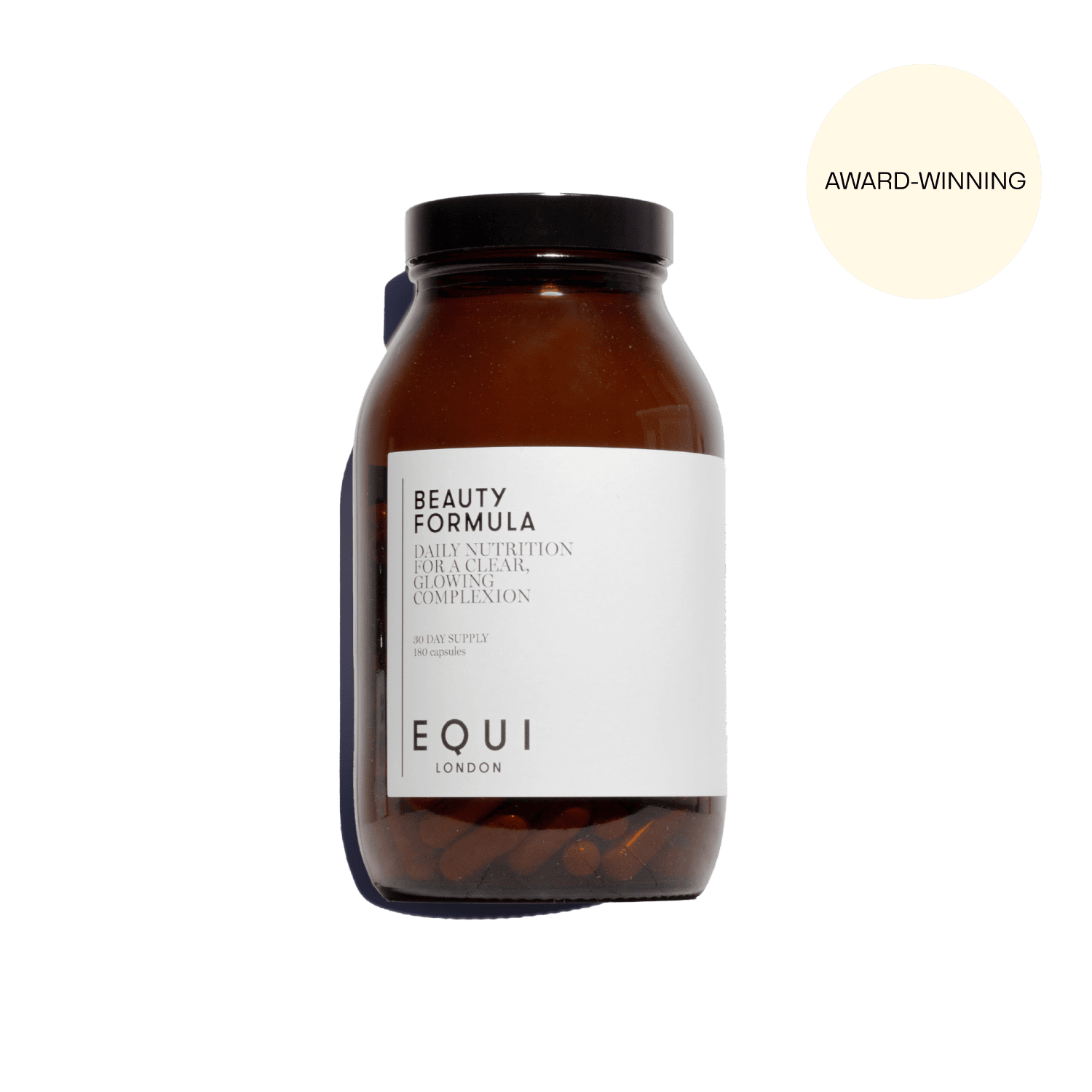
Click to learn more HERE
This article is for educational purposes only and does not constitute medical advice. Food supplements should not be used as a substitute for a varied, balanced diet or healthy lifestyle. If you are pregnant, breastfeeding, or under medical supervision, please consult your GP or healthcare professional before use.
References
- Dréno B, Layton A, Zouboulis CC, et al. Adult female acne: a new paradigm. J Eur Acad Dermatol Venereol. 2013;27(9):1063–1070.
- Bagatin E, Freitas THP, Rivitti-Machado MC, et al. Adult female acne: a guide to clinical practice. An Bras Dermatol. 2019;94(1):62–75.
- Theiler A, Spanaus K, Kolios AGA, et al. Acne after discontinuation of oral contraceptives. J Eur Acad Dermatol Venereol. 2022;36(4):e283–e285.
- Smith RN, Mann NJ, Braue A, Mäkeläinen H, Varigos GA. A low-glycemic-load diet improves symptoms in acne vulgaris patients: a randomized controlled trial. Am J Clin Nutr. 2007;86(1):107–115.
- Yosipovitch G, Tang M, Dawn AG, et al. Study of psychological stress, sebum production and acne vulgaris in adolescents. Acta Derm Venereol. 2007;87(2):135–139.
- Baker JM, Al-Nakkash L, Herbst-Kralovetz MM. Estrogen-gut microbiome axis: physiological and clinical implications. Maturitas. 2017;103:45–53.
- Lewis SJ, Heaton KW, Oakey RE, McGarrigle HH. Lower serum oestrogen concentrations associated with faster intestinal transit. Br J Cancer. 1997;76(3):395–400.
- Szopa A, Ekiert R, Ekiert H. Current knowledge of Schisandra chinensis (Turcz.) Baill. (Chinese magnolia vine) as a medicinal plant species: a review on the bioactive components, pharmacological properties, analytical and biotechnological studies. Phytochem Rev. 2017;16(2):195–218.
- Dreno B, Amblard P, Agache P, Sirot S, Litoux P. Low doses of zinc gluconate for inflammatory acne. Acta Derm Venereol. 1989;69(6):541–543.
- Khayef G, Young J, Burns-Whitmore B, Spalding T. Effects of fish oil supplementation on inflammatory acne. Lipids Health Dis. 2012;11:165.
- Jung GW, Tse JE, Guiha I, Rao J. Prospective, randomized, open-label trial comparing the safety, efficacy, and tolerability of an acne treatment regimen with and without a probiotic supplement. J Cutan Med Surg. 2013;17(2):114–122.


