

We love magnesium. But sleep issues need more than this alone. Here is the science...

15 min read
Skip to:
- Magnesium Is Just the Beginning
- Sleep Is Not Sedation
- What Magnesium Does Well
- Magnesium + Vitamin B6
- Natural Melatonin Support
- Sleep: Duration, Depth & Continuity
- Sleep Duration
- Sleep Efficiency
- Night-Time Awakenings
- REM & Sleep Quality
- Stress & the "Tired but Wired" State
- Sleep Across Life Stages
- Perimenopause & Sleep
- High-Stress Periods
- Overnight Repair & Skin Health
- Magnesium vs. Beauty Sleep Edition
- The Bottom Line
Why Beauty Sleep Edition Goes Deeper Than Magnesium Alone
Magnesium has become synonymous with better sleep. It's widely recommended for relaxation, muscle recovery, and calming the nervous system, and this is for good reason - it's involved with over 300 biochemical reactions that ensure we stay balanced with everything from our stress hormones to muscle health and regulating nerve signalling. But as much as we love magnesium, it does not tell the whole story when it comes to sleep.
Sleep is not governed by a single mineral. It is regulated by a complex interactions between neurotransmitters, hormones, circadian rhythm, blood sugar stability, and overnight cellular repair. Falling asleep is just one piece of the equation. Staying asleep, cycling properly through deep and REM stages, and waking restored are equally important.
Magnesium is foundational, but if you're relying on this only, you're working at entry level. At Equi, we like to go a little deeper, and this goes for sleep too, because supporting restorative sleep cycles requires a broader biological approach.
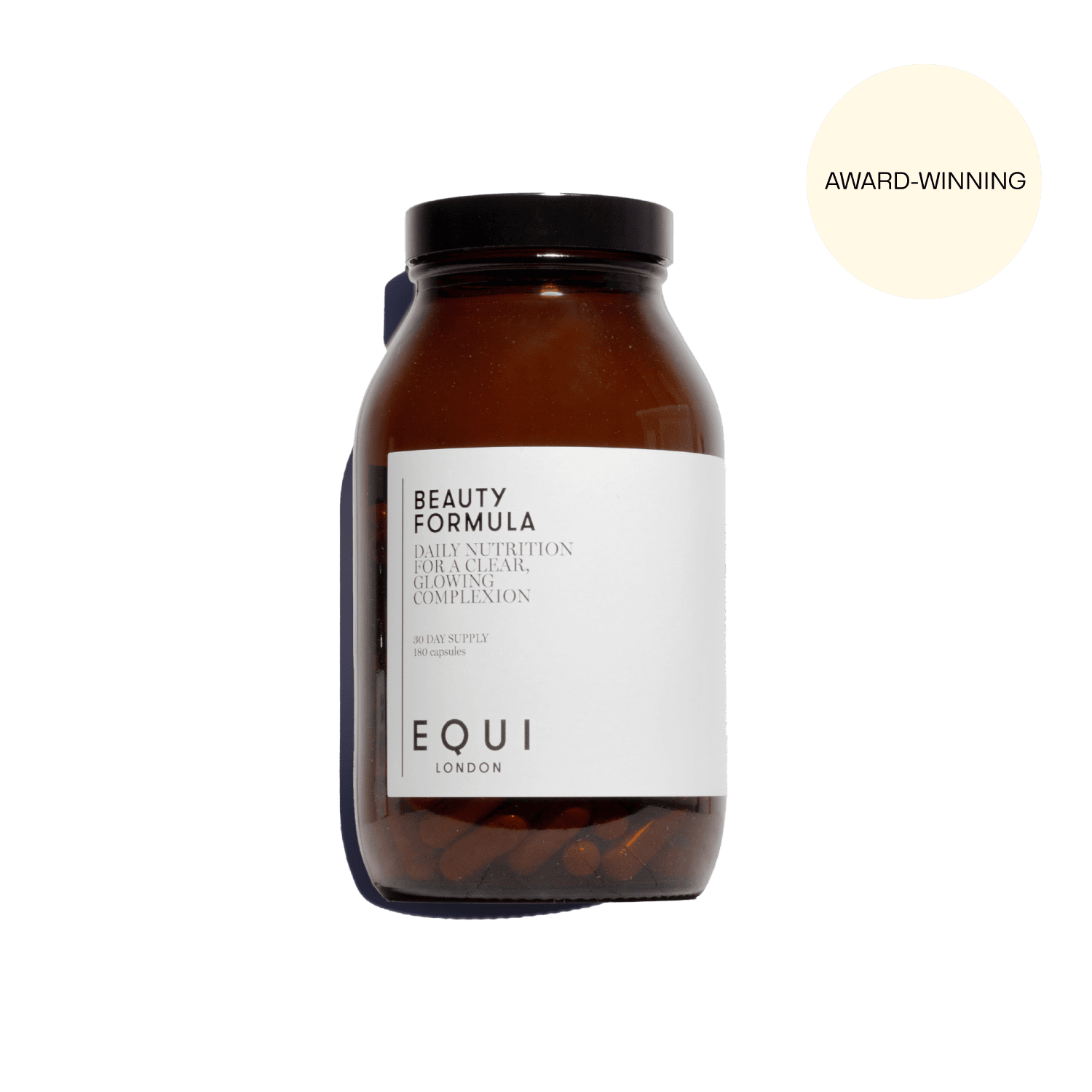
Beauty Sleep Edition was formulated to support that full system.
Sleep Is Not Sedation
Sleep unfolds in structured 90-minute cycles that move through:
- Light sleep
- Deep (slow-wave) sleep
- REM sleep
Deep sleep is when growth hormone peaks, driving tissue repair, immune recalibration, muscle recovery, and collagen production. This sounds great, but it's important to remember that we need all stages of sleep working together. REM sleep supports emotional processing, memory consolidation, and neurological recovery, while light sleep plays a crucial foundational role — acting as the bridge between stages, helping regulate the nervous system, and allowing smooth transitions between deep and REM sleep. Light sleep sounds less important, but actually without sufficient amount of this, sleep becomes more fragmented and less efficient, making it harder for the body to access the deeper, more restorative phases.
Suffice to say, this architecture is as important as getting enough hours in bed. When this architecture is disrupted — even if total sleep time appears adequate — recovery suffers.
As sleep scientist Matthew Walker explains:
"Sleep is not an optional lifestyle luxury. Sleep is a non-negotiable biological necessity."
Many conventional sleep aids sedate the brain rather than support this architecture. Sedation may shorten sleep latency, but it can compress REM sleep or blunt natural hormonal rhythms, leaving next-day grogginess... something you may have noticed if you've ever tried over the counter options, or stronger prescription meds.
The goal should not be unconsciousness, but restoration.
What Magnesium Does Well
Magnesium is involved in over 300 enzymatic reactions in the body, including many central to sleep regulation.
Research shows magnesium can help support:
- Activation of the parasympathetic (sometimes known as the 'rest and digest') nervous system
- GABA receptor activity
- A reduction to evening cortisol
- Relaxation of skeletal muscle
- Insulin sensitivity and glucose regulation
A double-blind placebo-controlled trial in individuals with insomnia demonstrated that magnesium supplementation significantly improved sleep time, sleep efficiency, and sleep onset latency1 (latency refers to the time it takes to fall asleep). A 2022 systematic review in Nutrients concluded magnesium may improve subjective sleep quality, particularly in those with insufficient magnesium intake2.
Whilst this mineral is clearly key for relaxation physiology, what we do need to be aware of is that it's unlikely to have a direct impact on:
- Serotonin production
- Melatonin synthesis
- REM density (i.e., how active the brain is during REM sleep — a key marker of how effectively the brain is processing memories, emotions, and learning overnight).
- Alpha brain wave activity
- Overnight skin renewal
This is where multi-pathway support becomes meaningful, and why Beauty Sleep can be so effective.
The Magnesium + Vitamin B6 Synergy
One of the most overlooked aspects of supplement formulation is nutrient synergy. Individual nutrients can be beneficial on their own, but in the body, they rarely work in isolation. This is one of the reasons a varied, whole-food diet is so important — nature delivers nutrients in complementary combinations, allowing them to work together in ways that enhance absorption, utilisation, and overall effect.
When it comes to supplements, however, this synergy is often lost. Many "off-the-shelf" formulations are built around single ingredients or generic blends, rather than a considered, physiological approach. True nutrient synergy requires a deeper understanding of how systems in the body interact - and this is particularly important when it comes to sleep.
Magnesium is a nutrient that works well on its own, especially for relaxation. But when it comes to sleep, its effects are significantly enhanced when paired with vitamin B6 — ideally in its active form, pyridoxal-5-phosphate (P-5-P).
Together, these two nutrients help regulate the neurotransmitters that govern sleep, supporting both the production and activity of key signals like serotonin, melatonin, and GABA.
Vitamin B6 is a vital cofactor for a biochemical pathway that we rely on to make our sleep hormones:
- Converting tryptophan → serotonin (our feel good, happy brain hormone)
- Converting serotonin → melatonin (our sleep brain hormone)
- Producing GABA (a calming brain hormone that triggers relaxation and reduces anxiety).
Without sufficient vitamin B6, this serotonin-to-melatonin pathway becomes less efficient, meaning the body may struggle to produce the calming and sleep-promoting signals it needs in the evening. Vitamin B6 is found in foods such as poultry, fish, bananas, chickpeas, and whole grains, and most people will get some through their diet. However, requirements can increase during periods of stress, hormonal change, or poor sleep — all of which place greater demand on neurotransmitter production. Modern diets, depleted soils, and busy lifestyles can also mean intake isn't always optimal.
This is where targeted supplementation can be beneficial, helping ensure the body has the co-factors it needs to efficiently produce serotonin, melatonin, and GABA - the key drivers of mood, relaxation, and sleep onset.
Magnesium, meanwhile, works directly on the nervous system to promote calm. It helps activate GABA - the brain's primary "switch-off" neurotransmitter - while also reducing excess neural activity that can keep the mind alert when it should be winding down.
In simple terms, magnesium helps quiet the nervous system, making it easier to transition from a state of alertness into, one of relaxation and sleep. But together, magnesium can work to calm the nervous system, while B6 ensures the biochemical pathways producing for serotonin, melatonin, and GABA can run efficiently.
A 2019 review in Nutrients highlighted vitamin B6's role in mood and neurotransmitter regulation3. Earlier clinical research also demonstrated B6 influences REM-related dreaming, suggesting measurable effects on sleep-stage neurochemistry4.
This synergy is why Beauty Sleep Edition includes both - not magnesium alone.
Supporting Natural Melatonin — Without Overriding It
Synthetic melatonin can be useful short term, particularly for jet lag. However, long-term reliance may override our natural 'endogenous' rhythms and potentially alter the all-important sleep architecture we outlined above. Beauty Sleep Edition takes a different approach by gently supporting these, not blunting them.
Montmorency tart cherry is one of the few whole-food sources shown to increase endogenous melatonin levels. In a clinical study by Howatson et al. (2012), tart cherry supplementation significantly increased total sleep time and sleep efficiency in adults5. Sleep was measured using actigraphy - a validated method that tracks movement to estimate sleep duration and quality - alongside melatonin levels.
While the study did not directly assess sleep stages such as REM or deep sleep, the improvements observed suggest a beneficial effect on overall sleep continuity and circadian signalling, rather than a sedative "knockout" effect.
When paired with vitamin B6, which supports serotonin-to-melatonin conversion, this pathway reinforces circadian signalling rather than replacing it.
Beyond Falling Asleep: Duration, Depth & Continuity
Clinically, three markers matter beyond simply falling asleep — because good sleep isn't just about how quickly you drift off, but how well you stay asleep and move through the night:
- Total sleep time — the overall number of hours spent asleep
- Sleep efficiency — the percentage of time in bed actually spent sleeping (rather than lying awake)
- Night-time awakenings — how often your sleep is disrupted throughout the night
Together, these markers give a much clearer picture of sleep quality. You might be someone who falls asleep quickly, but if you wake frequently or spend long periods restless, your sleep is far less restorative.
This is something many people notice after drinking alcohol — you may fall asleep faster, but your sleep becomes lighter, more fragmented, and you wake feeling less refreshed.
Magnesium can certainly support some of these areas, particularly by helping you relax and fall asleep more easily. But on its own, it's unlikely to work deeply enough across all of these dimensions. Sleep quality is influenced by multiple systems - including neurotransmitter balance, blood sugar stability, and circadian rhythm - which require broader support.
This is where a more comprehensive, multi-pathway approach becomes important - supporting not just sleep onset, but the depth, continuity, and overall quality of sleep throughout the night.
Increasing Total Sleep Time
The Howatson study mentioned above showed that participants experienced a longer overall sleep duration when supplementing with Montmorency tart cherry5. Even relatively small increases in total sleep time have been associated with improvements in metabolic health, cognitive performance, and inflammatory regulation - highlighting that duration is not just about feeling rested, but about supporting whole-body health.
Valerian root, another key ingredient in Beauty Sleep Edition, has also demonstrated improvements in both sleep duration and sleep efficiency in controlled trials6,7. It works by enhancing GABA signalling in the brain - helping to quiet neural activity and promote a more sustained, uninterrupted sleep state.
Together, these ingredients support staying asleep for longer, allowing the body more time to move through complete sleep cycles - including the deep and REM phases that underpin physical and cognitive recovery.
Improving Sleep Efficiency
Sleep efficiency is one of the most important - and often overlooked - markers of sleep quality. It reflects how much of your time in bed is actually spent asleep.
Low sleep efficiency can look like:
- Lying awake for long periods during the night
- Waking frequently and struggling to fall back asleep
- Spending 8 hours in bed, but only achieving 5–6 hours of true sleep
Improving sleep efficiency requires more than relaxation alone. It depends on stable neurotransmitter signalling, balanced nervous system activity, and consistent sleep cycling.
This is where the synergy within Beauty Sleep Edition becomes particularly important.
- Magnesium helps initiate relaxation and reduce physical tension
- L-theanine promotes a calm, stable mental state through alpha brain wave activity
- Valerian enhances GABA signalling, helping sustain a deeper, more settled sleep
Together, these ingredients help reduce time spent awake during the night and support more efficient, consolidated sleep - meaning more of your time in bed is spent actually sleeping.
Reducing Night-Time Awakenings
Waking during the night is one of the most common - and often most frustrating - sleep issues. While it's easy to assume this is purely stress-related, the underlying causes are often more complex. Night waking is frequently linked to:
- Blood sugar drops
- Elevated nighttime cortisol
- Increased sympathetic ("fight or flight") activity
This is why Beauty Sleep Edition takes a multi-pathway approach.
Magnesium plays a key role in supporting insulin sensitivity and glucose regulation, helping to maintain more stable blood sugar levels overnight. This reduces the likelihood of a sudden drop in blood sugar triggering a cortisol and adrenaline response - one of the most common causes of 2–4am wake-ups.
Meanwhile L-theanine works more directly on the brain, promoting alpha brain wave activity - a state associated with calm, relaxed awareness8. By reducing sympathetic nervous system activity, it helps prevent the mind from becoming overactive during the night, making it easier to stay asleep or drift back to sleep if you do wake.
Valerian root complements this by enhancing GABA signalling, increasing the availability of the brain's primary calming neurotransmitter8. This helps stabilise neural activity and supports deeper, more continuous sleep.
By addressing both the metabolic and neurological drivers of night waking, these ingredients work together to reduce sleep fragmentation - allowing for longer, more uninterrupted sleep and improved overall sleep quality.
Preserving REM & Enhancing Sleep Quality
REM sleep is essential for emotional resilience, learning, and cognitive integration. It's the stage where the brain processes experiences, consolidates memories, and recalibrates mood. However, many conventional sleep aids work can suppress aspects of REM activity.
Beauty Sleep Edition takes a different approach, supporting the neurological pathways that allow REM sleep to occur naturally and effectively.
L-theanine promotes alpha brain wave activity, helping to create a calm but not sedated mental state - one that supports relaxation without disrupting normal sleep architecture. Vitamin B6 plays a key role in serotonin metabolism, which is closely linked to REM regulation, while magnesium helps reduce excess neural activity, allowing the brain to settle more easily into deeper stages of sleep.
Together, these nutrients support balanced neurotransmission - the foundation of healthy, well-structured sleep cycles.
This is supported by clinical research. A 2023 randomised, double-blind crossover trial examining L-theanine and valerian found improvements in sleep quality, reduced time to fall asleep, and better next-day mental state8.
The distinction here is important because sedation increases unconsciousness, but optimised neurotransmission improves sleep quality.
Stress, Cortisol & the "Tired But Wired" State
We've all been there - feeling exhausted, but unable to switch off. This "tired but wired" state is one of the most common modern sleep challenges, and it's often driven by a combination of elevated evening cortisol, reduced calming neurotransmitters like GABA, and a nervous system that remains in a heightened, alert state.
Magnesium plays an important role here by helping to buffer the body's stress response, supporting the HPA (hypothalamic–pituitary–adrenal) axis and encouraging a shift towards relaxation. Vitamin B6 complements this by supporting serotonin production, which in turn helps regulate mood and contributes to a healthy cortisol rhythm.
Lemon balm adds another layer of support. Traditionally used for its calming properties, clinical research has shown it can help reduce mild anxiety and restlessness, making it easier to unwind in the evening9.
Together, these ingredients help guide the body out of a "fight or flight" state and into a "rest and repair" mode - the physiological shift required to access deeper, more restorative sleep. Without this transition, even if you fall asleep, reaching and maintaining deep sleep becomes far more difficult.
Sleep Across Different Life Stages
Sleep physiology evolves over time.
Perimenopause & Hormonal Shifts
Sleep often becomes more disrupted during perimenopause, and this is largely driven by changes in hormone levels. Fluctuations in oestrogen and progesterone can affect several systems involved in sleep regulation - from neurotransmitters to temperature control and stress sensitivity.
Progesterone, in particular, has natural calming effects on the brain through its interaction with GABA. As progesterone levels decline, this calming influence is reduced, which can make sleep feel lighter, more fragmented, and more easily disrupted. At the same time, shifts in oestrogen can contribute to temperature dysregulation, increased cortisol sensitivity, and changes in REM sleep patterns - all of which can impact overall sleep quality.
This is where targeted nutritional support becomes especially valuable. Magnesium's role in supporting GABA activity and nervous system calm becomes increasingly important, while vitamin B6 helps support neurotransmitter production and hormone metabolism, contributing to more stable mood and circadian rhythm.
Blood sugar regulation is another key piece of the puzzle, as insulin sensitivity can shift during midlife, increasing the likelihood of night-time waking.
Because sleep disruption during perimenopause is driven by multiple overlapping factors — hormonal, neurological, and metabolic - single-ingredient approaches are often not enough. Supporting the system as a whole is key to improving both sleep quality and consistency.
High-Stress Periods
Periods of chronic stress can have a profound impact on sleep. Elevated cortisol levels - particularly in the evening - can delay the release of melatonin, making it harder to fall asleep and more difficult to stay asleep throughout the night.
This often shows up as a racing mind at bedtime, light or restless sleep, or waking in the early hours unable to switch off. Over time, stress can also fragment REM sleep, reducing the brain's ability to fully process and recover.
Importantly, this isn't simply a case of needing more magnesium! While magnesium plays a valuable role in supporting relaxation, stress-related sleep disruption involves multiple systems - including neurotransmitter balance, circadian rhythm, and metabolic regulation.
Supporting the conversion of serotonin to melatonin, enhancing GABA signalling, and helping to stabilise the nervous system and overnight physiology all become crucial.
Beauty Sleep Edition was formulated with this complexity in mind - providing multi-layered support that helps the body not just fall asleep, but stay asleep, recover more effectively, and wake feeling restored.
Overnight Cellular Renewal & Skin Recovery
Deep sleep is when growth hormone peaks. This drives:
- Collagen synthesis
- Tissue repair
- Immune recalibration
- Increased dermal blood flow
To complement these processes, Beauty Sleep Edition includes Aloe vera extract, rich in polysaccharides and antioxidants to aid overnight renewal.
Clinical research demonstrates aloe vera improves skin hydration and enhances stratum corneum water content10 and additional research highlights antioxidant protection and support against oxidative stress in skin cells11.
Magnesium vs. Beauty Sleep Edition
| Magnesium Alone | Beauty Sleep Edition |
|---|---|
| Supports muscle relaxation | Supports relaxation + neurotransmitter balance |
| May help you fall asleep faster | Supports sleep onset, duration & efficiency |
| Calms the nervous system | Supports GABA, serotonin & melatonin pathways |
| Contributes to glucose regulation | Supports blood sugar stability & reduces night-time awakenings |
| Limited support for sleep-stage balance | Supports healthy sleep architecture & cycle continuity |
| No direct support for circadian rhythm | Supports natural melatonin production & circadian signalling |
| No skin-repair nutrients | Supports overnight hydration & antioxidant defence |
| Primarily single-pathway support | Multi-pathway, synergistic formulation |
The Bottom Line
Magnesium is essential - and often the first step toward improving sleep. But sleep is governed by interconnected systems: neurotransmitters, circadian hormones, metabolic stability, and cellular repair mechanisms.
Beauty Sleep Edition was designed to support:
- Magnesium-dependent relaxation
- Vitamin B6-optimised neurotransmitter production
- Natural melatonin synthesis
- REM preservation and sleep continuity
- Blood sugar stability
- Overnight skin renewal
It doesn't sedate, it supports the biology of sleep itself… And that distinction makes all the difference.
Disclaimer: The information provided in this article is for educational purposes only and is not intended to replace medical advice, diagnosis or treatment. Equi products are food supplements and should not be used as a substitute for a varied, balanced diet or healthy lifestyle. If you have a diagnosed medical condition, are taking prescription medication, or are under medical supervision, please consult your GP or healthcare professional before starting any new supplement. Aside from Pregnancy Formula and Pregnancy Oil Edition, Equi products are not recommended during pregnancy or breastfeeding and are not safe for children.
References
- Abbasi B, Kimiagar M, Sadeghniiat K, Shirazi MM, Hedayati M, Rashidkhani B. The effect of magnesium supplementation on primary insomnia in elderly: a double-blind placebo-controlled clinical trial. J Res Med Sci. 2012;17(12):1161–1169.
- Wienecke C, Nolden C, Van Hemmen J. Magnesium supplementation and sleep quality: a systematic review. Nutrients. 2022;14(1):182.
- Young LM, Benton D. The influence of vitamin B6 on mood. Nutrients. 2019;11(7):1501.
- Ebben MR, Lequerica A, Spielman AJ. Effects of pyridoxine on dreaming: a preliminary study. Percept Mot Skills. 2002;94(1):135–140.
- Howatson G, Bell PG, Tallent J, Middleton B, McHugh MP, Ellis J. Effect of tart cherry juice (Prunus cerasus) on melatonin levels and enhanced sleep quality. Eur J Nutr. 2012;51(8):909–916.
- Fernández-San-Martín MI, Masa-Font R, Palacios-Soler L, Sancho-Gómez P, Calbó-Caldentey C, Flores-Mateo G. Effectiveness of valerian on insomnia: a meta-analysis of randomized placebo-controlled trials. Sleep Med. 2010;11(6):505–511.
- Shekhar HC, Joshua L, Thomas JV. Standardized extract of Valeriana officinalis improves overall sleep quality in human subjects with sleep complaints: a randomized, double-blind, placebo-controlled clinical study. Adv Ther. 2024;41(1):246–261.
- Araki R, Yamazaki M, Kogami Y, et al. Effects of L-theanine and Valeriana officinalis on sleep quality and mental state in healthy adults: a randomized, double-blind, placebo-controlled, crossover study. Nutrients. 2023;15(21):4599.
- Cases J, Ibarra A, Feuillère N, Roller M, Sukkar SG. Pilot trial of Melissa officinalis L. leaf extract in the treatment of volunteers suffering from mild-to-moderate anxiety disorders and sleep disturbances. Mediterr J Nutr Metab. 2011;4:211–218.
- Dal'Belo SE, Gaspar LR, Maia Campos PMBG. Moisturizing effect of cosmetic formulations containing Aloe vera extract in different concentrations assessed by skin bioengineering techniques. Skin Res Technol. 2006;12(4):241–246.
- Ziemlewska A, Zagórska-Dziok M, Nizioł-Łukaszewska Z. Enhancing the cosmetic potential of Aloe vera gel: antioxidant and protective properties for skin cells. Molecules. 2025;30(15):3192.


